Overview of the Manual Dodge Durango
The Manual Dodge Durango offers drivers a tactile driving experience‚ featuring a robust 6‑speed gearbox that complements its powerful V6 or V8 engines. Its spacious interior‚ advanced safety tech‚ and off‑road capabilities make it a versatile SUV for enthusiasts seeking control. for adventure and.
1.1 Key Features and Specifications
Engine: The manual Durango is powered by a 3.6‑liter V6 delivering 260 hp and 260 lb‑ft torque‚ or a 5.7‑liter Hemi V8 with 360 hp and 383 lb‑ft torque. A six‑speed manual pairs with the V6‚ while the V8 offers a six‑speed manual or a seven‑speed automatic for those who prefer a manual feel. All‑wheel drive is standard‚ featuring an electronically controlled torque distribution system that enhances traction in varied conditions. The SUV’s suspension includes a multi‑link rear setup and a MacPherson strut front‚ delivering a comfortable ride and precise handling. Dual‑coil front disc brakes and a rear disc system provide strong stopping power‚ complemented by electronic stability control. Inside‚ the cabin seats up to seven with a 60/40 split second‑row seat and a 40/20/40 third‑row layout. Premium materials‚ a 10‑inch infotainment touchscreen‚ Apple CarPlay‚ Android Auto‚ and a 12‑speaker audio system create a modern‚ tech‑savvy environment. Overall‚ the manual Durango blends robust power‚ advanced technology‚ and family‑friendly practicality‚ making it a compelling choice for drivers who value manual engagement without sacrificing comfort or capability. Safety features include forward collision warning‚ automatic emergency braking‚ lane‑keeping assist‚ blind‑spot monitoring‚ and a rear‑view camera. Optional packages add adaptive cruise control‚ traffic‑sign recognition‚ and a 360‑degree camera system. The Durango’s robust chassis and interior make it standly!
Historical Context of Manual Transmissions in Dodge Durango
First introduced in 2008‚ the Durango’s manual option catered to enthusiasts craving engagement. Over the years‚ manual gearboxes were phased out as automatics improved‚ yet a niche remains for purists who value tactile control.
2.1 Evolution of the Durango Lineup
The Dodge Durango debuted in 2008 as a mid‑size SUV‚ blending muscle‑car styling with family practicality. Early models offered a 6‑speed manual transmission paired with a 3.6‑liter V6‚ appealing to drivers who valued direct engagement. Over the first generation‚ Dodge refined the manual’s shift feel‚ adding a more robust clutch and smoother gear ratios.
In 2013‚ the second generation introduced a 5‑speed manual option‚ but it was soon discontinued as automatics gained traction. The 2014 model year saw a shift to a 6‑speed automatic as standard‚ yet the manual remained a hidden gem for enthusiasts‚ especially in the V6‑powered trims.
By 2017‚ Dodge shifted focus to the 3.6‑liter EcoPower V6 and a 5.7‑liter V8‚ both offered with a 6‑speed manual in select packages. The manual’s presence grew in the 2020 refresh‚ aligning with a new 8‑speed automatic that offered better fuel economy. However‚ the manual’s popularity surged again in 2021 when Dodge re‑introduced it in the V6 lineup‚ emphasizing a “driver‑centric” experience.
Throughout its evolution‚ the manual transmission has mirrored broader automotive trends: a gradual decline in manual availability‚ a resurgence of enthusiast demand‚ and a focus on performance tuning. Today‚ the manual Durango remains a niche but respected option for those who prioritize control over convenience.
Collectors value the manual’s authentic feel; aftermarket support offers upgraded clutches and shift kits that boost longevity and performance.!!!!!
Comparing Manual and Automatic Versions
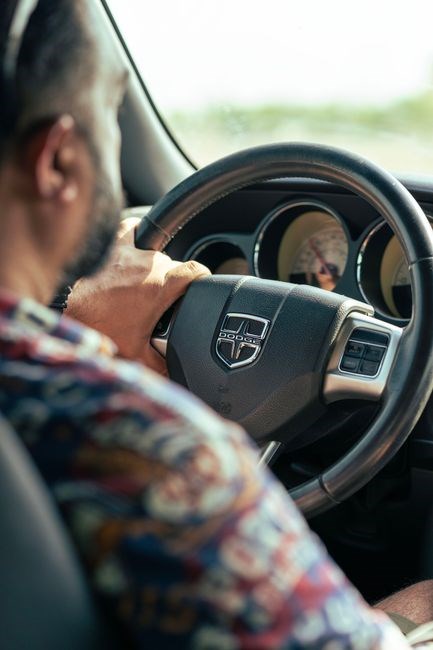
The manual Durango offers a tactile shift‚ granting drivers direct engagement and slightly better torque control. The automatic prioritizes convenience and smoother acceleration. Fuel economy differences are modest; manuals may be marginally lower due to gear ratios. Owners love the tasty feel.!
3.1 Performance and Fuel Efficiency Differences
When evaluating the manual versus automatic Dodge Durango‚ performance enthusiasts focus on shift precision‚ torque delivery‚ and engine‑gearband synergy. The 6‑speed manual transmits power through a direct mechanical link‚ allowing drivers to keep the engine in its optimal RPM window during acceleration‚ cornering or towing. The manual can translate into a more responsive throttle feel and‚ for some drivers‚ a slight edge in raw acceleration times‚ especially when the vehicle is loaded or climbing steep grades. The automatic‚ meanwhile‚ employs a torque‑converter and adaptive shift logic that smooths out power delivery‚ reducing drivetrain losses that are more noticeable in a manual’s direct‑drive path. In real‑world driving‚ the automatic’s ability to pre‑select gear ratios and maintain a steady engine speed often results in a more relaxed ride‚ particularly on highways or in stop‑and‑go traffic.
The manual’s gear ratios are typically spaced to favor torque multiplication‚ which can be advantageous during off‑road or towing scenarios. However‚ the automatic’s continuously variable torque converter allows for smoother transitions‚ reducing wear on clutch components. Drivers who prioritize a sporty feel may opt for the manual‚ while those who seek convenience and lower maintenance might prefer the automatic.
Choosing between the two options often hinges on driving style and budget. Manual transmissions typically cost less to repairand can be more durable over time‚ while automatics offer smoother shifts ever lower maintenance for.
Choosing the Right Manual Durango for Your Needs
Choosing a manual Durango hinges on your driving habits‚ budget‚ and vehicle use. If you crave engagement‚ prefer towing‚ or value lower maintenance‚ a manual may suit. For city commutes‚ fuel economy‚ and convenience‚ an automatic could be wiser. Assess mileage‚ age‚ and future plans. Check age. now!
4.1 Factors to Consider (Age‚ Mileage‚ Use Case)
When buying a manual Dodge Durango‚ the vehicle’s age‚ mileage‚ and intended use are critical. Older models may lack modern safety tech and show more wear on the clutch and gearbox. Newer units (2018 and later) often feature electronic shift aids that ease clutch operation and extend life. The manual transmission also provides a more engaging drive‚ appealing to enthusiasts who enjoy precise gear selection.
Mileage directly reflects mechanical fatigue. A manual with under 80‚000 miles usually retains a healthy clutch and transmission. Vehicles over 100‚000 miles should be inspected for clutch plate condition‚ fluid levels‚ and gear slippage. Check the clutch master and slave cylinders and transmission fluid before buying. Additionally‚ consider the vehicle’s service records for any past transmission repairs‚ which can signal potential future issues.
- Age: Newer models bring torque converters and electronic shift aids that reduce clutch wear.
- Mileage: Aim for under 80‚000 miles; beyond that‚ verify clutch health.
- Use Case: Daily commuting favors low‑mileage units; towing or off‑road use benefits from a V8 and reinforced drivetrain.
- Service History: A documented log of fluid changes and clutch replacements boosts confidence.
- Test Drive: Feel shift smoothness‚ clutch bite point‚ and any hesitation; crisp engagement signals sound internals.
- Price vs. Value: Manuals often cost more upfront but can lower long‑term operating costs; balance purchase price against future savings.
By weighing age‚ mileage‚ use case‚ and maintenance history against your driving habits and budget‚ you can select a manual Durango that offers reliable performance‚ engaging dynamics‚ and lasting satisfaction. Ultimately‚ a well‑maintained manual Durango can offer both performance and cost savings over its lifespan. Enjoy the ride.
Essential Maintenance Practices
Regularly check fluid levels‚ inspect the clutch and transmission for wear‚ replace clutch fluid every 30‚000 miles‚ keep the engine clean‚ and perform scheduled oil changes. Promptly address any unusual noises or shifting issues. Check the gear linkage. Now.
5.1 Regular Inspection Checklist
Below is a concise inspection routine for the Manual Dodge Durango. Follow these steps to maintain the transmission‚ clutch‚ and drivetrain.
- Transmission Fluid: Check level and color every 5‚000 miles. Dark or metallic particles indicate wear.
- Clutch Fluid: Inspect for leaks; replace every 30‚000 miles.
- Clutch Pedal: Test for smoothness and proper travel.
- Gear Linkage: Inspect cables for fraying and alignment.
- Drive Shaft & U‑Joints: Look for cracks or oil leaks.
- Rear Differential: Check fluid level and replace if contaminated.
- Brake System: Inspect pads and rotors for wear.
- Engine Mounts: Examine for cracks or broken rubber.
- Cooling System: Verify coolant level and radiator condition.
- Electrical Connections: Inspect wiring harnesses for corrosion.
- Exhaust System: Look for leaks or rust.
- Overall Vehicle Condition: Check for rust‚ dents‚ and paint integrity.
Record each inspection in a maintenance log‚ noting mileage and corrective actions. Consistent monitoring reduces costly repairs and keeps the Durango running smoothly.
For high‑performance models‚ consider checking the torque converter for slippage and inspecting the shift linkages for wear. Inspect the transmission pan for oil residue and ensure the clutch release bearing is not worn. Keep a log of any irregularities to catch problems early. Remember to replace fluids at recommended intervals to maintain performance.!
Common Durango manual problems include clutch slippage‚ shift linkage wear‚ and transmission fluid leaks. Check fluid levels‚ inspect cables‚ and listen for grinding. If symptoms persist‚ replace the clutch kit or adjust the linkage. Regular maintenance prevents costly repairs. Check alignment.
6.1 Shift Linkage and Clutch Problems
Shift linkage and clutch problems are common in older manual Durangos. Wear or mis‑adjustment can make the shift stiff or unresponsive. Signs include a hard lever‚ a gap between lever positions‚ or a whining noise when engaging gears. Inspect rods‚ bushings‚ and cables for wear; replace frayed parts and set cable tension to spec.
Clutch issues often show as a spongy pedal‚ delayed engagement‚ or a burning smell. These symptoms usually point to worn plates‚ a failing pressure plate‚ or a leaking hydraulic system. Check fluid level‚ look for contamination or air bubbles‚ and bleed if necessary.
When the clutch disc is worn‚ it may slip under load‚ causing the engine to rev without a speed increase. A slipping clutch can also produce a high‑pitched squeal or grinding noise during gear changes. Replace the clutch kit—disc‚ pressure plate‚ and release bearing—if slip is noticeable or the pedal feels mushy.
Regular maintenance can prevent many of these problems. Keep the linkage lubricated with light grease‚ check cable tension‚ inspect the hydraulic system for leaks‚ and replace fluid every 30‚000 miles. Promptly address symptoms to avoid damage to the transmission or drivetrain.
When diagnosing shift linkage problems‚ use a feeler gauge to check clearance between the shift fork and gear housing. Clearance outside spec indicates a worn or damaged fork. Verify the shift lever pivot is seated and linkage is not binding. Inspect cable for fraying or corrosion; replace if needed.
After addressing linkage and clutch issues‚ test drive the vehicle to confirm smooth gear changes. Pay attention to any lingering resistance or slipping.If problems persist‚ consult a specialist for a thorough inspection of the transmission internals. Proper diagnosis saves time and money
Enhancing Performance with Aftermarket Upgrades
Boost the Durango’s drive with a high‑performance shifter‚ lightweight clutch kit‚ and upgraded throttle body. Pair with a short‑throw shifter for crisp gear changes‚ and a performance exhaust for added torque. Tune ECU for optimal power.
Choosing the right shifter and clutch kit can dramatically alter the feel and performance of a Manual Dodge Durango. A short‑throw shifter reduces the distance between gears‚ giving a tighter‚ more precise engagement that is especially noticeable. Brands such as Shiftech‚ ACDelco‚ and HKS offer shifters that are engineered to fit the Durango’s 6‑speed layout‚ providing a smooth shift feel.
Clutch kits are equally critical. A performance clutch kit typically includes a high‑friction disc‚ a reinforced pressure plate‚ and a modern release bearing. These components work together to improve bite‚ reduce clutch slip‚ and extend life. For the Durango’s V6 and V8 engines‚ a kit from companies like ProClutch or B&M Clutches can handle the 300‑400 lb‑ft of torque while keeping the pedal feel light and responsive.!!!!!!
Installation involves removing the stock clutch assembly‚ aligning the new pressure plate‚ and ensuring the release mechanism is properly adjusted. A well‑installed kit will lower the clutch pedal travel‚ making gear changes. It also helps the engine run smoother‚ as the clutch engages at the right RPM‚ reducing wear on the drivetrain.!!
Beyond raw performance‚ these upgrades can improve fuel efficiency by allowing the engine to operate at optimal RPM ranges. A short‑throw shifter can also reduce shift times‚ which is beneficial for both daily driving and occasional track sessions. When selecting a kit‚ consider the engine’s horsepower‚ the typical load conditions‚ and Durango for towing. Enhance performance! Now!!!!
Purchasing a Manual Durango: Where and How
Finding a manual Durango requires exploring niche dealers‚ auctions‚ or certified pre‑owned programs. Verify transmission history‚ inspect for wear‚ and test drive to confirm smooth shifting. Negotiate based on mileage‚ condition‚ and market value.
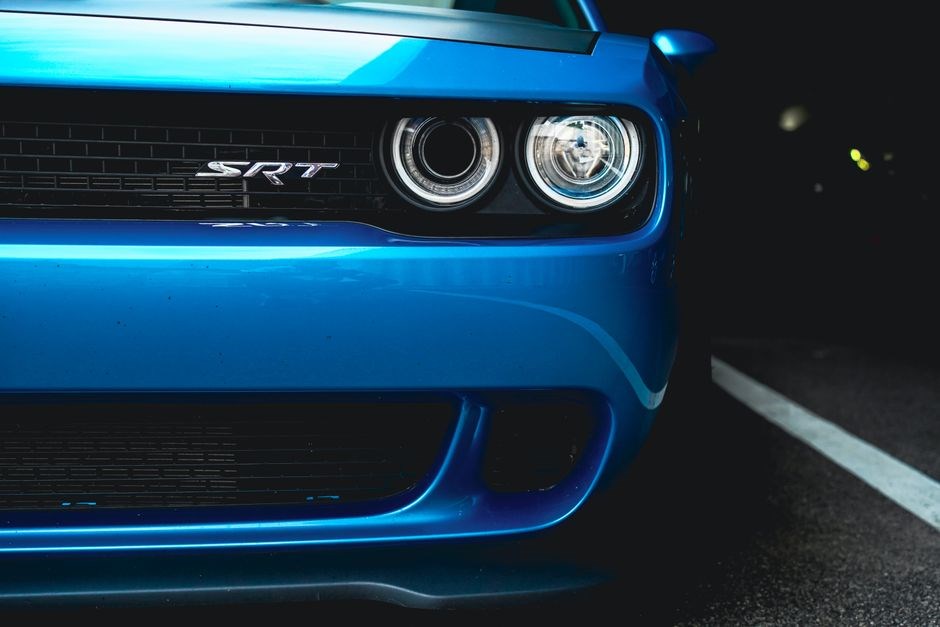
8.1 New vs Used Market Insights
When hunting for a manual Dodge Durango‚ the choice between new and used hinges on budget‚ rarity‚ and long‑term reliability. New models come with full warranties‚ the latest safety tech‚ and factory‑installed performance upgrades‚ but they are scarce; only a handful of dealerships offer a manual gearbox in current trims‚ and the price premium can be significant. Used units‚ on the other hand‚ provide a more affordable entry point and often include the same powerful V6 or V8 engines‚ but they may lack the newest driver‑assist features and could have higher mileage. A thorough pre‑purchase inspection is essential: check the transmission’s shift feel‚ inspect the clutch’s wear‚ and review service records for any past repairs. Certified pre‑owned programs can mitigate risk‚ offering extended warranties and a vehicle history report. Market demand for manual transmissions is niche‚ so supply can be limited; this scarcity can drive up prices for well‑maintained examples. Conversely‚ a used manual Durango that has been driven lightly can fetch a price below the new model’s MSRP‚ delivering a cost‑effective option for enthusiasts who value direct gear engagement. Ultimately‚ the decision rests on how much you prioritize factory warranty and cutting‑edge tech versus budget constraints and the thrill of a manual shift. Test drives should focus on gear shiftensure meets expectations.