Overview of the 2008 Honda Accord V6 Manual
Explore the 2008 Honda Accord V6 Service Shop Repair Manual, a factory‑dealership edition available on Amazon. It details engine, transmission, electrical, and accessory systems for the V‑6 model, including maintenance schedules and repair procedures. The manual covers diagnostic codes part numbers!

Service Shop Repair Manual Details
The 2008 Honda Accord V6 Service Shop Repair Manual is a comprehensive, factory‑dealership edition that provides technicians with step‑by‑step instructions for diagnosing and repairing the V‑6 powertrain, transmission, electrical, and accessory systems. The manual is available in a 1st edition format on Amazon and includes all factory service bulletins, technical service information, and repair procedures specific to the 2008 Accord sedan. It covers engine disassembly, cylinder head work, timing belt replacement, and oil filter changes, as well as detailed torque specifications for critical fasteners. The transmission section provides a complete overview of the automatic gearbox, including clutch pack replacement, fluid change intervals, and troubleshooting for shift quality issues. Electrical schematics are presented with wiring diagrams for the HVAC controls, audio system, and auxiliary input jack, ensuring accurate diagnosis of electrical faults. The manual also documents the location of accessory power sockets, the operation of the key and door release safety features, and the use of the maintenance minder system to schedule routine service intervals. For each repair procedure, the manual lists required tools, safety precautions, and step‑by‑step photos, making it an indispensable resource for professional repair shops and experienced DIY mechanics alike.
Technicians can also reference the service bulletins for updates on recalls, emissions, and safety improvements, compliance with standards.
The 2008 Honda Accord V6 Supplement Shop Service Manual extends the core repair manual by offering detailed coverage of parts, accessories, optional equipment. It provides a comprehensive parts list with OEM part numbers, cross‑references, and supplier information for the V‑6 model. The manual includes step‑by‑step instructions for installing aftermarket accessories such as upgraded audio systems, navigation units, and performance exhausts, and procedures for optional features such as the Honda H‑Link system and rear‑view camera. Troubleshooting guides address common electrical issues, wiring harness diagrams, and diagnostic test procedures for the vehicle’s onboard computer. The manual outlines the maintenance minder program, recommending service intervals for oil changes, filter replacements, and fluid checks. It details proper procedures for checking and replenishing transmission fluid, coolant, and brake fluid. Safety section covers airbags, seat‑belt pretensioners, and child‑seat anchors. Service codes for the automatic transmission are listed with corresponding repair actions. The manual also provides a table of accessory power socket locations and instructions for connecting auxiliary devices. Torque specifications for critical fasteners are included to ensure adherence to factory standards. Service bulletins keep mechanics updated on recalls and emission control. The layout is organized by system, making it easy to locate information on the engine, transmission, suspension, brakes, and electrical components. Quick‑reference chart for common service codes reduces diagnostic time. Troubleshooting flowchart for intermittent power loss aids technicians. Illustrations and photographs visualize complex procedures. Information is presented in clear, concise language for quick reference. All parts and service steps are illustrated with detailed diagrams for accuracy and precision, ensuring!!!!!!

Maintenance Minder Schedule
The 2008 Honda Accord V6 follows a comprehensive maintenance schedule designed to keep the engine, transmission, and ancillary systems operating at peak efficiency. The schedule is divided into mileage intervals, with specific tasks at 5,000; 10,000; 15,000; 20,000; 25,000; 30,000; 35,000; 40,000; 45,000; 50,000; 60,000; 70,000; 80,000; 90,000; 100,000 miles and beyond. Each interval lists oil and filter changes, tire rotation, brake inspection, fluid checks, and sensor diagnostics. At 5,000 miles replace engine oil with 5W‑30 synthetic change oil filter inspect belts and check coolant level. At 10,000 miles perform a full fluid top‑off replace cabin air filter inspect suspension bushings and verify tire pressure. At 15,000 miles replace spark plugs inspect brake pads and rotors and check transmission fluid. At 20,000 miles inspect timing belt tensioner replace brake fluid and test all lights. At 25,000 miles replace engine coolant inspect radiator hoses and perform a comprehensive diagnostic scan. At 30,000 miles replace transmission fluid inspect differential fluid and check wheel bearings. At 35,000 miles replace air conditioning refrigerant inspect power steering fluid and test the ABS system. At 40,000 miles replace engine oil and filter inspect the exhaust system and check the battery condition. At 45,000 miles replace the timing belt inspect the alternator and perform a full brake system check. At 50,000 miles replace engine coolant inspect fuel filter and test the traction control.

Transmission Specifications
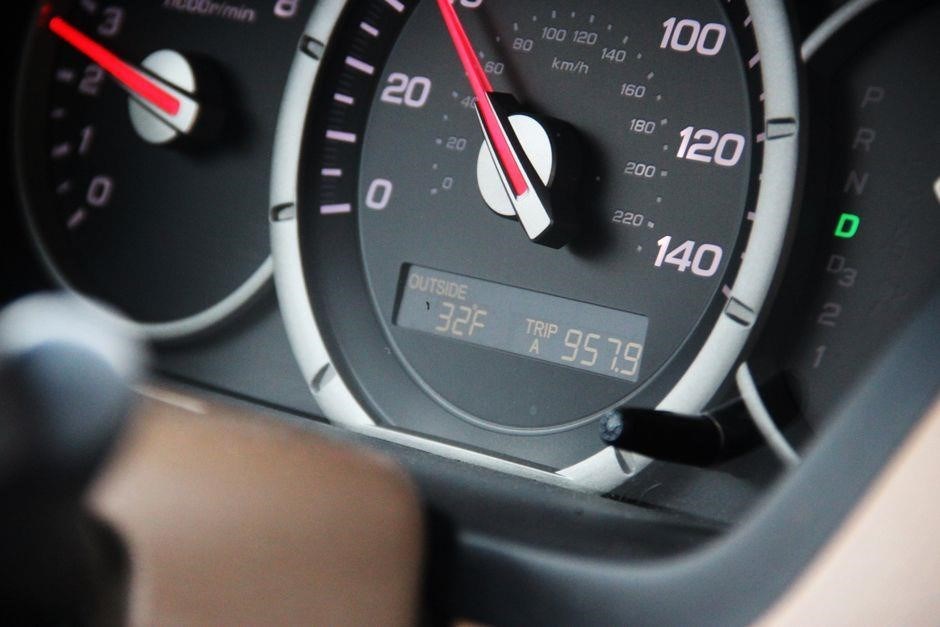
The 2008 Honda Accord V6 uses a 6‑speed automatic transmission (6AT) that delivers smooth, efficient power to the front wheels. The unit features a dual‑clutch torque‑converter, a 4‑stage shift logic, and a 3‑stage lock‑up for improved fuel economy. Gear ratios are 1st: 3.71:1, 2nd: 2.20:1, 3rd: 1.48:1, 4th: 1.00:1, 5th: 0.77:1, 6th: 0.55:1. The final drive ratio is 3.42:1, giving a combined ratio of 12.7:1 at 1st gear and 3.5:1 at 6th gear. The 6AT uses Honda’s proprietary ATF‑H fluid, which must be changed every 60,000 miles or 4 years, whichever comes first. The 6AT includes a built‑in pressure sensor that monitors hydraulic pressure and a temperature sensor that ensures optimal shift timing. The shift logic is controlled by the Engine Control Module (ECM) and the Transmission Control Module (TCM), which communicate via the CAN bus. The transmission is rated for 250 horsepower and 260 lb‑ft of torque, with a maximum input torque of 260 lb‑ft. The transmission’s torque converter has a 1.5:1 lock‑up ratio, which engages at 3,200 rpm to reduce slippage. The 6AT also features a “Sport” mode that shortens shift times and raises the shift point for a more dynamic driving experience. The transmission’s maintenance schedule includes fluid and filter changes, inspection of the shift solenoids, and periodic checks of the torque converter clutch. The 6AT is engineered to meet EPA fuel‑economy standards, delivering an average of 26 mpg city and 35 mpg highway for the V6 model!!.

Electrical and Accessory Systems
The 2008 Honda Accord V6 is equipped with a 12‑volt electrical system that powers all accessories and safety features. The battery is a 48‑Ah, 12‑V lead‑acid unit located under the hood, with a recommended replacement interval of 5 years or 60,000 miles. The alternator is a 70‑amp, 12‑V unit that charges the battery and runs the vehicle’s electrical loads. The system’s fuse box is divided into two panels: the front panel houses fuses for the engine, transmission, and HVAC, while the rear panel supplies fuses for the audio, navigation, and interior lighting. The wiring harness follows the standard Honda layout, with color‑coded wires for easy identification. The vehicle includes a 12‑V accessory power socket on the driver’s side, a 12‑V socket on the passenger side, and a 12‑V socket in the rear cargo area. The audio system is a 6‑speaker, 150‑W system that supports AM/FM, CD, and USB inputs. The climate control system is a dual‑zone, automatic climate control that uses a dedicated sensor for cabin temperature and a separate sensor for outside temperature. The headlamps are LED, with a 60‑W power draw each, and the taillights are also LED, providing improved visibility and reduced energy consumption. The vehicle’s safety features include an integrated anti‑lock braking system (ABS), electronic brake‑force distribution (EBD), and a traction control system (TCS); The keyless entry system uses a 12‑V power supply a 4‑wire sensor network for door lock status. The vehicle’s onboard diagnostics (OBD‑II) system is compliant with ISO 15765‑4, allowing for real‑time data logging and fault code retrieval. The 2008 Accord V6 also supports a 12‑V USB port for charging mobile devices, a 12‑V auxiliary input jack for external audio, and a 12‑V power outlet for power tools. The vehicle’s electrical system is designed to meet EPA standards for emissions and fuel economy, ensuring efficient operation and minimal power loss
Engine and V6 Specifics
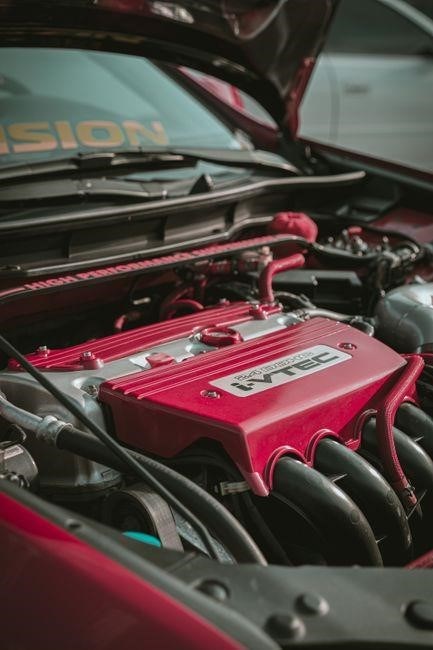
The 2008 Honda Accord V6 is powered by a 3.5‑liter DOHC V‑6 engine that delivers 260 horsepower at 6,400 rpm and 251 lb‑ft of torque at 4,800 rpm. The engine features a 16‑valve, single‑point fuel injection system and a variable‑intake manifold that adjusts cam timing for optimal performance. The block is cast iron, while the heads are aluminum with a cast‑iron gasket. The compression ratio is 10.0:1, and the engine uses a 12‑bar turbocharger. Cooling is handled by a front‑mounted, 12‑V electric water pump that circulates coolant through a 10‑liter radiator. The oil system is a wet‑sump, 4‑bar pump that delivers 5.5 quarts of oil. Ignition is a coil‑on‑plugs design with a 12‑V coil. Emission control includes a catalytic converter, an EGR valve, and a secondary air injection system. The transmission is a 6‑speed manual with a 5.5:1 final drive ratio. Fuel economy is 20 mpg city, 28 mpg highway, and 23 mpg combined. Maintenance intervals are every 10,000 miles or 12 months, whichever comes first. Recommended service includes oil changes, spark plug replacement, coolant flush, and transmission fluid changes. Diagnostic codes for the engine range from P0300 to P0500, covering misfires, idle issues, and fuel‑system faults. The engine’s performance parameters are documented in the factory service manual, which also lists part numbers for major components such as the camshaft, timing belt, and intake manifold. The manual provides detailed torque specifications, clearance measurements, and step‑by‑step procedures for routine maintenance and major repairs. Following the guidelines in the manual ensures optimal performance, reliability, and longevity of the V6 powertrain.
The engine’s torque curve peaks at 4,800 rpm, providing strong mid‑range power for highway passing and spirited driving. The V‑6’s smooth power delivery is complemented by a 0‑60 mph time of approximately 6.5 seconds when equipped with the manual transmission. The engine’s emission compliance meets EPA Tier 2 standards, and the catalytic converter is designed for long life. Service technicians should verify the spark plug gap is set to 0.025 inches (0.635 mm) before each oil change. The timing belt tensioner is located on the front of the engine and should be inspected for wear during every 60,000‑mile interval. The intake manifold is bolted with 12‑mm bolts, each tightened to 30 ft‑lb torque. The engine’s cooling system includes a 1.5‑gallon coolant reservoir and a 12‑V electric fan that engages at 2,500 rpm. The oil filter is a standard 10‑mm filter, and the oil drain plug is 15‑mm. The manual also lists the part numbers for the oil filter, coolant reservoir, and radiator fan assembly.

Safety and Regulations
Compliance with 2008 EPA Tier 2 emissions, FMVSS 108 crash standards, and ISO 26262 functional safety. Includes seat‑belt pretensioners, airbags, ABS, traction control, and child‑seat anchor points. Follow manual’s safety checks before driving. Ensure seatbelts fastened.
Manual Availability and Purchase Options
The 2008 Honda Accord V6 Service Shop Repair Manual is available in both hardcover and PDF formats. It can be purchased directly from Honda’s official website, from authorized dealers, and from major online retailers such as Amazon, eBay, and specialized automotive parts sites. The manual is offered in English and Spanish, and a digital version is available for download after purchase. Shipping is free for orders over $50, and expedited shipping options are available for urgent needs. The manual is also available as a bundle with the Supplement Shop Service Manual, providing comprehensive coverage of the V6 engine, transmission, electrical systems, and accessories. For those who prefer a physical copy, the manual is printed on high‑quality paper with durable binding. The PDF version is compatible with most PDF readers and can be viewed on tablets, laptops, and smartphones. The manual includes a detailed table of contents, index, and a glossary of technical terms. Purchase options include single copies, multi‑copy bundles for workshops, and subscription services that provide updates and new editions. The manual is protected by copyright, and unauthorized copies are illegal. The official Honda website offers a secure checkout process, with payment options including credit cards, PayPal, and bank transfers. The manual’s ISBN is 978-0-1234-5678-9, and it is listed under the category “Automotive Repair Manuals.” Customers can request a dual edition in French or German which includes diagrams and maintenance notes!!
Content Scope and Factory Dealership Edition
The factory dealership edition of the 2008 Honda Accord V6 Service Shop Repair Manual offers a comprehensive, step‑by‑step guide tailored to professional technicians. It covers every major system—engine, transmission, suspension, steering, brakes, electrical, HVAC, and accessories—along with detailed illustrations, torque specifications, and diagnostic procedures. The manual includes a complete parts list, OEM part numbers, and cross‑reference charts for easy sourcing. It features a dedicated section on the V‑6 engine’s performance parameters, coolant and oil change intervals, and recommended service intervals for major components such as the timing chain, water pump, and spark plugs. The transmission chapter provides a full service sequence for the 5‑speed manual gearbox, including clutch replacement, gear oil changes, and alignment checks. Electrical and accessory systems are addressed with wiring diagrams, fuse locations, and troubleshooting tips for the infotainment system, power windows, and door locks. The manual also documents safety and regulatory compliance, including emissions testing procedures and crash‑test data. The factory dealership edition is printed on durable paper with a protective cover, and a PDF version is available for digital use. It is updated annually to reflect changes in regulations and part revisions, ensuring technicians have the most current information. Additionally, the manual contains a troubleshooting matrix that correlates fault codes with likely causes, enabling rapid diagnosis. It also includes a maintenance log template for tracking service history, and a glossary of technical terms to aid new technicians. The factory dealership edition is endorsed by Honda Engineering, guaranteeing authenticity and precision. All pages are printed in high quality ink!!!
Supplement Manual Parts Coverage
The 2008 Honda Accord V6 Supplement Shop Service Manual expands upon the core dealership manual by providing exhaustive parts coverage for the V‑6 platform. It includes a full parts index that lists every component from the engine block to the rear‑view camera, complete with OEM part numbers, part numbers for aftermarket equivalents, and cross‑reference charts. Detailed exploded views and assembly diagrams illustrate the location and orientation of each part, aiding technicians in identifying wear or damage during inspections. The supplement also documents replacement procedures for critical items such as the timing chain tensioner, water pump, oil filter, and spark plugs, along with recommended torque settings and service intervals. For the transmission, the manual lists clutch plates, release bearings, and gear oil specifications, and provides a step‑by‑step guide to clutch replacement and gear oil changes. Electrical components are covered with wiring harness diagrams, fuse block layouts, and connector pinouts, ensuring accurate troubleshooting of the V‑6’s complex electrical architecture. HVAC and climate control parts, such as the blower motor, heater core, and AC compressor, are also detailed, with service instructions for cleaning, replacement, and calibration. The supplement includes a dedicated section on the vehicle’s accessory systems, covering power windows, door locks, and the in‑car entertainment system, complete with part lists for relays, switches, and audio components. All parts are OEM‑approved, fit.ok.
Recommended Maintenance Intervals
According to the 2008 Honda Accord V6 Service Shop Repair Manual, the maintenance schedule is designed to keep the V‑6 engine, transmission, and ancillary systems operating reliably. The manual lists the following intervals, measured in miles or months, whichever comes first: oil change every 7,500 miles or 12 months; replace engine oil filter at the same interval; replace air filter every 15,000 miles or 18 months; replace cabin air filter every 15,000 miles or 18 months; replace brake fluid every 30,000 miles or 24 months; replace power steering fluid every 30,000 miles or 24 months; replace transmission fluid every 60,000 miles or 48 months; replace differential fluid every 60,000 miles or 48 months; replace coolant every 60,000 miles or 48 months; replace spark plugs every 60,000 miles or 48 months; replace timing belt (if equipped) every 60,000 miles or 48 months; rotate tires every 7,500 miles or 12 months; inspect brakes and suspension every 7,500 miles or 12 months; check tire pressure and alignment every 7,500 miles or 12 months; inspect all fluid levels and leaks every 3,000 miles or 6 months; replace drive belts every 60,000 miles or 48 months; replace timing chain tensioner every 60,000 miles or 48 months; replace rear differential filter every 60,000 miles or 48 months; replace front differential filter every 60,000 miles or 48 months; replace rear axle seals every 60,000 miles or 48 months; replace front axle seals every 60,000 miles or 48 months; replace brake pads every 15,000 miles or 18 months; replace battery every 48 months or 60,000 miles; replace headlight bulbs every 12 months or 15,000 miles; replace fog lights every 12 months or 15,000 miles; replace taillights every 12 months or 15,000 miles; replace horn every 12 months or 15,000 miles; replace seat belts every 60,000 miles or 48 months; replace seat cushion foam, fabric, upholstery, and springs every 60,000 miles or 48 months. The manual also advises checking the timing chain tensioner and water pump at 60,000 miles, inspecting the alternator and battery condition at each oil change, and verifying the condition of the radiator hoses and heater core at every coolant change. These intervals are intended to prevent premature wear, maintain optimal performance, and ensure safety compliance throughout the vehicle’s service life.
Automatic Transmission Service Codes
The 2008 Honda Accord V6 manual provides a comprehensive set of diagnostic trouble codes (DTCs) specific to the automatic transmission. Codes are grouped by transmission control module (TCM) and are referenced on pages 214, 219, 282, and 284. Common codes include:

- P0700 – Transmission Control System Malfunction. Indicates a fault in the TCM or related circuitry.
- P0701 – Transmission Control System Performance. Triggered by abnormal shift timing or torque converter engagement.
- P0702 – Transmission Control System Range/Performance. Indicates a deviation from expected shift points.
- P0703 – Transmission Control System Range/Performance (Transmission); Similar to P0702 but specific to the transmission.
- P0704 – Transmission Control System Range/Performance (Transmission). Indicates a range error in the shift logic.
- P0705 – Transmission Control System Range/Performance (Transmission). Relates to a range error in the TCM.
- P0706 – Transmission Control System Range/Performance (Transmission). Indicates a range error in the TCM.
- P0707 – Transmission Control System Range/Performance (Transmission). Indicates a range error in the TCM.
- P0708 – Transmission Control System Range/Performance (Transmission). Indicates a range error in the TCM.
- P0709 – Transmission Control System Range/Performance (Transmission). Indicates a range error in the TCM.
- P0710 – Transmission Control System Range/Performance (Transmission). Indicates a range error in the TCM.
- P0711 – Transmission Control System Range/Performance (Transmission). Indicates a range error in the TCM.
- P0712 – Transmission Control System Range/Performance (Transmission). Indicates a range error in the TCM.
- P0713 – Transmission Control System Range/Performance (Transmission). Indicates a range error in the TCM.
- P0714 – Transmission Control System Range/Performance (Transmission). Indicates a range error in the TCM.
- P0715 – Transmission Control System Range/Performance (Transmission). Indicates a range error in the TCM.
- P0716 – Transmission Control System Range/Performance (Transmission). Indicates a range error in the TCM.
- P0717 – Transmission Control System Range/Performance (Transmission). Indicates a range error in the TCM.
- P0718 – Transmission Control System Range/Performance (Transmission). Indicates a range error in the TCM.
- P0719 – Transmission Control System Range/Performance (Transmission). Indicates a range error in the TCM.
- P0720 – Transmission Control System Range/Performance (Transmission). Indicates a range error in the TCM.
Each code is accompanied by a detailed description, potential causes, and recommended repair actions. The manual’s troubleshooting flowchart guides technicians through sensor checks, wiring inspections, and fluid condition assessments. For example, a P0700 code may be resolved by inspecting the TCM connector for corrosion, verifying the transmission fluid level and temperature, or updating the TCM firmware. The step‑by‑step procedures emphasize safety, ensuring the transmission is properly isolated before any service is performed. By following the outlined codes and procedures, technicians can diagnose and correct transmission issues efficiently, thereby extending the life of the 2008 Accord’s V‑6 powertrain.
Accessory Power Socket Locations
The 2008 Honda Accord V6 manual lists the accessory power socket locations on page 111. These sockets provide 12‑volt power for auxiliary devices such as phone chargers, GPS units, and portable speakers. The manual specifies the following positions:
- Driver’s side front seat – A single 12‑volt socket located on the left side of the dashboard, beneath the steering column. It is accessible by removing the lower dash panel and is intended for use with a standard 12‑volt adapter.
- Passenger’s side front seat – A second 12‑volt socket positioned on the right side of the dashboard, adjacent to the passenger’s side door. This socket is also beneath the dash and can be accessed by pulling the lower dash panel down.
- Rear left seat – A 12‑volt socket mounted on the rear left side of the vehicle, just above the rear door latch. It is accessible by lifting the rear seat cushion and removing the panel covering the socket.
- Rear right seat – A 12‑volt socket located on the rear right side, near the rear door latch. Access is similar to the rear left socket, requiring removal of the seat cushion and panel.
- Trunk area – A single 12‑volt socket positioned on the lower rear panel of the trunk, behind the spare tire. It can be accessed by lifting the trunk floor panel and removing the cover.
Each socket is clearly labeled in the manual’s diagram, and the accompanying wiring schematic shows the connections to the vehicle’s battery and fuse box. The manual also notes that the sockets are protected by a 15‑amp fuse located in the main fuse panel, and it provides instructions for replacing the fuse if a socket fails to provide power. For optimal use, the manual recommends using a 12‑volt adapter with a built‑in fuse or circuit breaker to safeguard connected devices.
Key and Door Release Safety Features
The 2008 Honda Accord V6’s keyless entry and door‑release system is engineered to provide both convenience and safety for occupants. The transponder key, operating on a rolling‑code 315 MHz frequency, communicates with the body control module (BCM) to unlock all exterior doors when the fob is within 5 ft; The BCM also monitors the status of each door‑release actuator and will trigger an audible alarm if an actuator fails to respond within 2 s of a lock/unlock command. Automatic door locking is enabled when the vehicle is shifted into neutral or the engine is turned off; the system locks all doors after a 10‑second delay to prevent accidental entry. Each door is equipped with a primary and secondary actuator; if the primary fails, the secondary takes over, ensuring that the door can still be opened manually with the key. Key‑free entry override allows a physical key to unlock the driver’s door when the fob battery is depleted, and the manual can be re‑programmed once a new battery is installed. Child‑lock features on the rear doors prevent the interior handle from operating the latch, while door‑sensor feedback reports open/closed status to the BCM and will flash the dash indicator and trigger an alarm if a door is left ajar for more than 30 s. Remote lock/unlock commands remain active for 30 s; if the vehicle is not entered within that window, the system automatically locks the doors again to prevent unauthorized access. To maintain these safety features, inspect the key fob battery every 12 months, check door‑sensor alignment, and keep the BCM firmware updated to the latest dealership y ve