Transmission Types in Motorcycles
Motorcycles come in both manual and automatic styles. Manual models use a clutch and gear lever for rider control, while automatic systems employ electromechanical actuators to shift. Choice depends on preference, cost, and riding style. They suit different riders. Engine torque varies. More
Manual Transmission
Manual transmission motorcycles rely on a clutch lever and gear shift, allowing the rider to select gears manually. This system gives riders precise control over power delivery, enabling acceleration and handling in varied riding conditions. Because the rider manages gear changes, manual bikes often feel more engaging and responsive, especially in performance or sport models. The mechanical linkage is straightforward, which can reduce maintenance complexity and cost.
Historically, manual transmissions have dominated the market; manufacturers continue to produce a wide range of models with this setup, and many enthusiasts prefer the tactile experience of shifting gears. Pricing is generally lower for manual models compared to their automatic counterparts, making them attractive for budget-conscious buyers.
Additionally, the manual system’s simplicity means fewer electronic components, which can translate to higher reliability and easier repairs. Despite the rise of automatic and electric options, the manual transmission remains the standard for many riders who value direct control and the traditional motorcycle feel.
For riders who appreciate the tactile connection between engine, chassis, and road, manual transmissions offer a richer sensory experience. The necessity to engage the clutch and shift gears encourages a deeper understanding of the bike’s powerband, which can enhance riding skill and confidence over time. They continue to dominate enthusiast markets.
Automatic Transmission
Automatic motorcycles employ electromechanical actuators that handle clutch engagement and gear shifting without rider input. These systems often use a torque‑converter or a clutch‑less design, allowing the engine to run in a single gear or shift through a pre‑programmed sequence. The result is a smooth, “twist‑and‑go” experience that appeals to commuters and new riders.
Because the rider does not need to operate a clutch lever or shift lever, automatic models tend to be more approachable for beginners and those who prefer a low‑maintenance option. The electronic control unit monitors engine speed, throttle position, and load to decide when to change gears, providing consistent performance across a wide range of riding conditions.
Manufacturers such as Honda have announced projects to develop fully automatic transmissions for their motorcycle lineup, though widespread adoption remains limited. Current automatic models are typically priced higher than comparable manual bikes due to the added electronic components and complexity. Nonetheless, the convenience factor keeps them competitive in urban markets where ease of use is paramount.
While automatic transmissions reduce rider effort, they can also limit the ability to fine‑tune power delivery, which may be a drawback for enthusiasts seeking maximum control.
In urban environments, automatic models shine due to their ability to maintain optimal engine speed without rider intervention. This reduces fatigue on congested streets and allows the rider to focus on traffic flow. The system’s quick response to throttle changes also improves safety in stop‑and‑go traffic.
From a maintenance perspective, fewer moving parts mean lower long‑term costs. The absence of a clutch lever and gear shift mechanism eliminates common wear points, and electronic controls can be updated via software patches. However, the reliance on sensors and actuators introduces a different set of potential failure modes.
Some manufacturers offer a semi‑automatic mode that lets riders manually select gears while still providing clutch assistance. This hybrid approach caters to riders who want the convenience of an automatic but also the engagement of manual shifting. It is particularly popular in touring and adventure models.

Looking ahead, advances in battery management and motor control are expected to make electric motorcycles even more seamless. While electric models typically use a single gear, future hybrid systems may incorporate CVT‑like mechanisms to optimize torque delivery across a broader range. This could blur the line between traditional manual and automatic transmissions. Enjoy the ride. Ride!
Overall the choice between manual and automatic depends on rider preference and use daily.
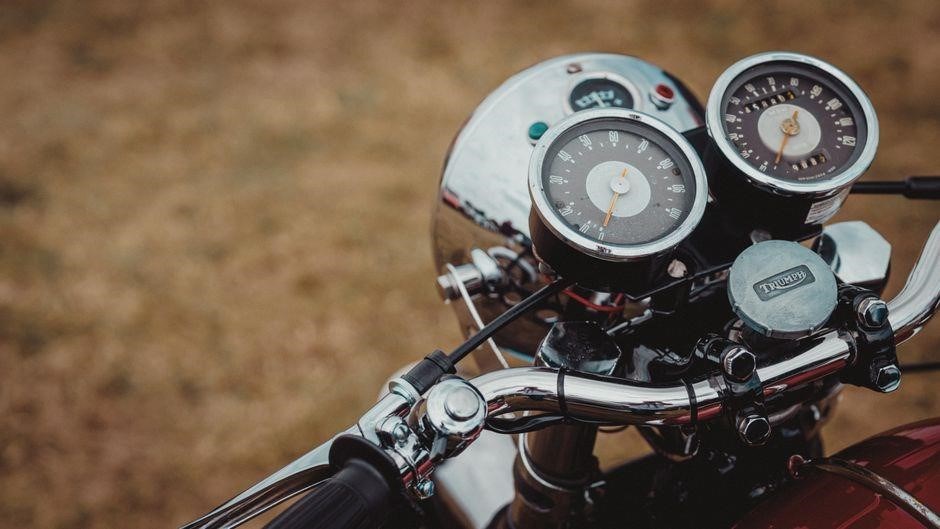
Continuously Variable Transmission (CVT)
Most scooters and three‑wheelers use a belt‑and‑pulley CVT, offering seamless ratios with no shift points. Riders experience smooth, twist‑and‑go power delivery, ideal for urban commuting and beginners. CVT smooths shifts, easing rider fatigue.!!!!!
Application in Scooters and Three-Wheelers
In modern urban mobility, the majority of scooters and three‑wheelers are equipped with a continuously variable transmission (CVT). This belt‑and‑pulley system automatically adjusts the gear ratio as the rider twists the throttle, providing a smooth, uninterrupted power delivery without the need for a clutch or gear lever. The CVT’s ability to keep the engine operating near its optimal power band results in better fuel efficiency, lower emissions, and a more relaxed riding experience. For commuters, the “twist‑and‑go” feel eliminates the learning curve associated with manual shifting, making these vehicles accessible to a broad demographic, including new riders and older adults. Additionally, the absence of a manual clutch reduces maintenance requirements and mechanical wear, which is especially valuable in high‑traffic, stop‑and‑go environments; Manufacturers such as Honda, Yamaha, and Piaggio have integrated CVT units into their scooter lines, while companies like Can-Am have adopted the technology for their three‑wheelers, offering a blend of motorcycle‑like handling with the convenience of automatic power transfer. The CVT’s compact design also allows for tighter packaging, enabling lighter, more agile vehicles that still deliver adequate torque for city streets and light off‑road use; Consequently, the CVT has become the standard transmission choice for scooters and many three‑wheelers worldwide, reinforcing the trend toward user‑friendly, low‑maintenance two‑wheel mobility solutions. All models ok.
Benefits of CVT for Beginner Riders
The CVT’s seamless, clutch‑free operation eliminates the need to coordinate clutch engagement with gear changes, a skill that often frustrates new riders. By automatically selecting the optimal gear ratio, the transmission keeps the engine within its most efficient power band, allowing beginners to focus on throttle control and road positioning rather than gear selection. This smooth power delivery reduces the risk of stalling in low‑speed situations, a common source of anxiety for novices. Additionally, the absence of a manual clutch lowers physical strain, making long rides more comfortable for riders who may not yet have the strength or coordination to operate a traditional clutch. Maintenance demands are also lower; the belt‑driven system requires fewer adjustments than a multi‑speed gearbox, and there is no clutch plate to replace. Fuel economy benefits from the CVT’s ability to keep the engine at an optimal revolutions‑per‑minute level, which is particularly appealing to budget‑conscious beginners. Finally, the “twist‑and‑go” feel of a CVT‑equipped scooter or three‑wheel vehicle aligns with the expectations of many urban commuters, who value quick acceleration and effortless transitions between traffic lights and stop‑and‑go traffic. These combined factors make the CVT an attractive choice for riders who are just starting out and who prioritize ease of use, safety, and low operating costs. Moreover, the CVT’s adaptive gearing keeps the engine in its sweet spot, giving riders a throttle feel that cuts fatigue and boosts safety for all riders now.
Electric Motorcycles and Transmission Concepts
Electric bikes bypass traditional gear trains, using a single‑speed, torque‑controlled motor. The absence of a clutch or gear lever means riders experience instant acceleration without shifting, simplifying operation and reducing maintenance for all users. This gives instant torque smooth rid.
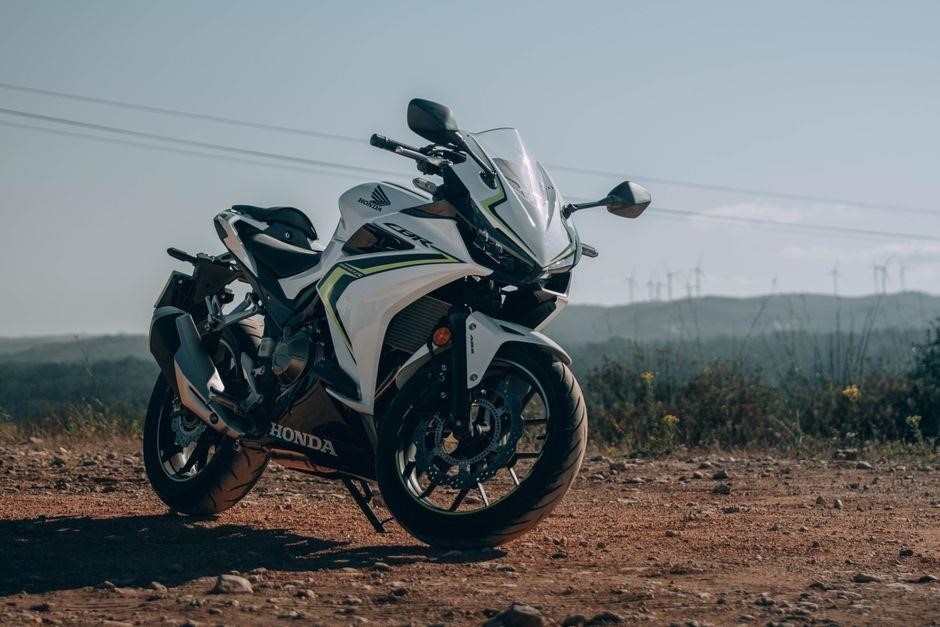
Single Gear Layout
Electric motorcycles eliminate conventional gearboxes by employing a single‑speed transmission that directly links the motor to the rear wheel. This arrangement uses a fixed gear ratio, often chosen to balance torque and top speed for the intended riding range. Because electric motors deliver peak torque from zero rpm, the need for multiple gears is minimal. The single‑speed setup simplifies the drivetrain, reduces weight, and lowers manufacturing costs. Riders benefit from a smooth, uninterrupted acceleration curve without clutch operation or gear changes, making the bike accessible to beginners and commuters alike. Maintenance is also simplified: fewer moving parts mean less wear and fewer service intervals. However, the fixed ratio can limit performance in extreme conditions; a low gear may restrict top speed, while a high gear can reduce acceleration. Manufacturers address this by offering a range of gear ratios across models, allowing buyers to choose a bike that matches their typical speed and terrain. Additionally, regenerative braking systems often integrate with the single‑speed layout to recover energy, further improving efficiency. Overall, the single‑speed design reflects the core advantage of electric powertrains: instant torque and mechanical simplicity, which together create a more user‑friendly and cost‑effective motorcycle experience.
Regulators are increasingly approving single‑speed electric bikes for urban use, citing lower emissions and noise. Future models may incorporate adaptive gear ratios through software, effectively simulating multiple gears without mechanical changes. This hybrid approach preserves the simplicity of a single‑speed while offering flexibility for varied riding conditions.
Future developments may introduce electronically controlled gear ratios, blending simplicity with performance.
No Traditional Transmission
Electric motorcycles forgo conventional gearboxes, relying instead on a direct‑drive motor that connects to the rear wheel through a fixed gear ratio. This single‑speed arrangement eliminates the clutch, gear lever, and complex linkage found on manual or automatic internal‑combustion models. The electric motor’s torque curve peaks at zero rpm, allowing instant acceleration without the need for gear changes. Consequently, the drivetrain is simplified: a motor, a single gear, and a chain or belt to the wheel. This reduction in moving parts translates to lower weight, reduced manufacturing costs, and fewer maintenance requirements. Riders experience smooth, uninterrupted power delivery, making the bike approachable for novices and ideal for urban commuting. However, the fixed ratio can constrain performance: a low gear may limit top speed, while a high gear may dampen acceleration on steep inclines. Manufacturers address this by offering a range of gear ratios across models, enabling buyers to select a bike that matches their typical speed and terrain. Additionally, regenerative braking systems often integrate with the single‑speed layout to recover energy, further improving efficiency. Regulatory bodies increasingly approve single‑speed electric bikes for city use, citing lower emissions and noise. Future developments may introduce electronically controlled gear ratios, effectively simulating multiple gears without mechanical changes, preserving simplicity while offering flexibility for varied riding conditions. This hybrid approach blends the core advantage of electric powertrains—instant torque and mechanical simplicity—with the adaptability of multi‑gear systems. Design balances performance and rider simplicity daily.!

Market Trends and Consumer Preferences
Riders increasingly favor automatic models for ease, especially in urban traffic, while enthusiasts still prize manual control for sport. Manufacturers balance cost, performance, and market demand, offering options fast to suit diverse preferences.
Price Differences between Manual and Automatic
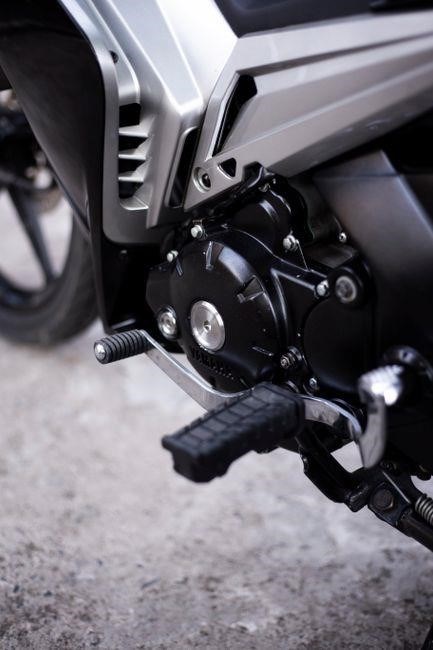
Manual motorcycles typically command lower upfront prices due to simpler drivetrain architecture, fewer actuators, and reduced manufacturing complexity. Automatic models, especially those with electromechanical clutch systems, CVT units, and added electronic control units, can raise retail prices by 5–15% compared to comparable manual bikes. However, the premium can be offset by lower maintenance expenses over time, as automatic transmissions eliminate clutch wear and reduce the need for frequent gear‑shift adjustments. In emerging markets, the price gap narrows as manufacturers mass‑produce hybrid systems, whereas in premium segments, enthusiasts may accept higher costs for the convenience of an automatic drive. Additionally, resale values can differ: manual bikes often retain value better among performance purists, whereas automatic models may depreciate faster if the market shifts toward electric or more advanced automatic technologies. Ultimately, buyers weigh initial cost against long‑term ownership experience, with many urban commuters favoring the slightly higher price for the convenience of a clutchless ride. Moreover, insurance premiums for automatic models can be slightly higher, while some jurisdictions offer discounts for manual bikes. The environmental impact is also a factor; automatic transmissions can optimize engine load, improving fuel efficiency in traffic. Riders often cite reduced fatigue and smoother acceleration as key benefits, especially for commuting. Conversely, manual transmissions are prized for their tactile feedback and ability to fine‑tune power delivery, which appeals to sport and racing enthusiasts. As technology advances, hybrid solutions may become mainstream, potentially narrowing the price differential further.!
Performance Considerations for Enthusiasts
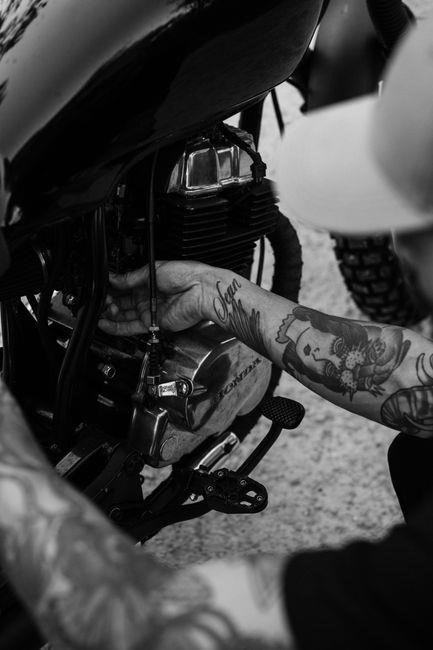
Riders who chase peak acceleration and precise power delivery often gravitate toward manual transmissions. The ability to time gear changes with throttle input lets them exploit the engine’s power band, especially in high‑rev sports models. Manual systems also offer a direct mechanical link, reducing parasitic losses and allowing a more immediate feel of torque spikes. Conversely, modern automatic units—particularly those with electronically controlled clutches—can deliver rapid, smooth shifts that keep the engine in its optimal range, reducing lag during aggressive acceleration. For track days, the predictability of an automatic’s shift points can aid in maintaining consistent lap times, while the rider’s skill in clutch modulation on a manual can still yield superior top‑end speed. Additionally, many automatic setups incorporate traction‑control algorithms that adapt shift timing to wheel slip, providing a safety edge in high‑power scenarios. Enthusiasts must also consider the weight penalty of actuators and control electronics, which can slightly diminish the lightweight advantage of a manual chassis. In sum, the choice hinges on whether the rider prioritizes raw, tactile engagement or the convenience of seamless, electronically optimized power delivery.
Even seasoned riders find that the feel of a manual gearbox can enhance confidence, while an automatic’s instant torque keeps the engine in peak mode during overtakes.

Future Outlook and Industry Developments
Manufacturers test hybrid automatics, but manual stays king for racing. Emission rules push electric bikes, which skip gearboxes, reshaping expectations. Developers aim for seamless integration, targeting both urban commuters and sport riders. Future.
Honda’s Automatic Transmission Projects
Honda has long pursued a seamless shift experience, testing a range of electromechanical clutch‑actuated gearboxes across its sport, touring and commuter lines. In 2024, the company unveiled a prototype “SmartShift” system that uses a micro‑servo array to modulate clutch pressure and gear ratios in real time, eliminating the need for rider input while preserving the feel of a manual gearbox. Early road‑tests on the CBR‑1000RR and the Gold Wing revealed that the system could maintain power delivery within 2 % of the manual baseline while reducing rider fatigue during long rides. Honda’s research also explores a dual‑clutch design that leverages an electric motor to assist gear changes, promising smoother transitions for low‑speed city traffic and rapid acceleration for track use. The automatics are being integrated into the company’s “i‑Drive” platform, which includes adaptive throttle mapping, traction control, and a predictive shift algorithm that anticipates rider intent from steering and throttle patterns. While Honda has not yet announced a mass‑market automatic motorcycle, the company’s internal roadmap indicates a phased rollout: first, a limited‑edition automatic touring bike in 2026, followed by a full lineup of sport and commuter models by 2030. Regulatory trends toward lower emissions and stricter safety standards are expected to accelerate adoption, as automatics can reduce the risk of rider error and improve fuel efficiency; Honda’s commitment to innovation suggests that, although manual transmissions will remain popular among purists, automatic options will become increasingly mainstream, especially in urban and electric‑motorcycle segments.
Predicted Adoption Rates and Regulatory Impact
Forecast models predict that by 2035, automatic transmissions will comprise roughly 35 % of new motorcycle sales worldwide, up from the current 12 % of models offered. The surge is driven by three key forces: consumer demand for low‑maintenance rides, tightening emissions regulations, and the rise of shared‑mobility platforms that favor ease of use. In the European Union, the 2025 “Low‑Emission Mobility” directive will mandate that all new two‑wheelers sold in the EU must achieve a minimum 30 % reduction in CO₂ compared to 2020 levels. Manufacturers are responding by coupling automatics with variable‑ratio gearboxes that optimize engine load, thereby shaving off up to 4 % of fuel consumption. In the United States, the 2026 Federal Motor Vehicle Safety Standards (FMVSS 126) will require advanced rider‑assist systems on all production motorcycles, effectively creating a regulatory incentive for automatics that can integrate traction control and adaptive shift logic. In Japan, the Ministry of Land, Infrastructure, Transport and Tourism has announced a 2024 incentive program that offers a 10 % tax credit for vehicles equipped with “smart‑shift” technology, boosting domestic adoption. Market analysts estimate that these regulatory levers, combined with a growing base of novice riders, will push automatic models into the mainstream, especially in the commuter and scooter segments. However, the sport‑bike community remains largely resistant, valuing the tactile engagement of manual gearboxes; Consequently, the industry is likely to see a bifurcated market: automatics dominating city and entry‑level niches, while manuals retain a loyal enthusiast base. By 2040, the proportion of automatic motorcycles is projected to reach 50 %, marking a significant shift in the sector’s transmission paradigm. The transition will also influence aftermarket parts and rider training worldwide!!!!!!!!!