This guide explores a 72‑hour water fast, outlining its purpose, preparation, and safety․ It offers concise, practical advice for beginners and seasoned practitioners alike, helping you navigate the process with confidence and clarity․ For more details, consult the complete PDF guide online․!

1․1 Purpose of the Guide
The purpose of this guide is to provide a clear, step‑by‑step framework for individuals interested in undertaking a 72‑hour water fast under the guidance of Gary Brecka’s expertise․ It serves as a practical manual that outlines the scientific rationale behind prolonged water fasting, the physiological changes that occur during the three‑day period, and the safety precautions necessary to minimize risk․ By combining evidence‑based research with real‑world experience, the guide aims to empower readers to approach the fast with confidence, ensuring they understand both the potential health benefits and the challenges that may arise․ The document also addresses common misconceptions, offers nutritional recommendations for pre‑fast and post‑fast phases, and includes a checklist for monitoring progress․ Whether you are a seasoned practitioner or a curious newcomer, this resource is designed to help you plan, execute, and reflect on your fasting journey in a structured, informed manner․ By following the structured approach outlined here, you will gain insights into how your body responds to extended periods of water intake alone, learn strategies to maintain mental clarity, and develop a sustainable post‑fast plan that supports long‑term wellness․ The guide also includes testimonials from individuals who have successfully completed the fast, providing motivation and real‑world examples of the transformative effects that can occur when the body is given time to reset․ Ultimately, this guide equips you with confidence to safely undertake a 72‑hour water fast today․

About Gary Brecka
Gary Brecka is a seasoned health coach blending nutritional science with holistic wellness․ With a background in integrative medicine, he specializes in fasting protocols that promote cellular renewal and mental clarity․ His approach balances evidence‑based guidance with personalized support, ensuring effective outcomes!
2․1 Background and Expertise

Gary Brecka earned a B․S․ in Nutritional Sciences from the University of California, followed by a Master’s in Clinical Nutrition․ His early career involved research on metabolic pathways, where he published studies on autophagy and cellular detoxification․ This foundation shaped his later work in fasting protocols․
Transitioning into practice, Gary became a certified Integrative Health Coach, focusing on evidence‑based interventions․ He has led workshops across North America, teaching individuals how to harness the therapeutic potential of water fasting for weight management, mental clarity, and disease prevention․ His methodology blends traditional fasting wisdom with modern scientific insights․
His research extends to longitudinal studies on metabolic health, where he has co‑authored over 30 peer‑reviewed papers․ Collaborations with universities and health institutes have led to new fasting protocols that prioritize safety, monitor biomarkers, and assess long‑term outcomes․ His data‑driven approach informs national guidelines and clinical practice․
Beyond academia, Gary mentors emerging health professionals through webinars, podcasts, and one‑to‑one coaching․ He emphasizes ethical fasting, mindful eating, and community support․ Upcoming projects include a mobile app that tracks hydration levels and offers real‑time guidance, expanding his impact on public health worldwide․
Gary’s knowledge accessible and evidence‑backed․ His PDF guide offers health through a 72‑hour water fast today․ Join and transform health today day․
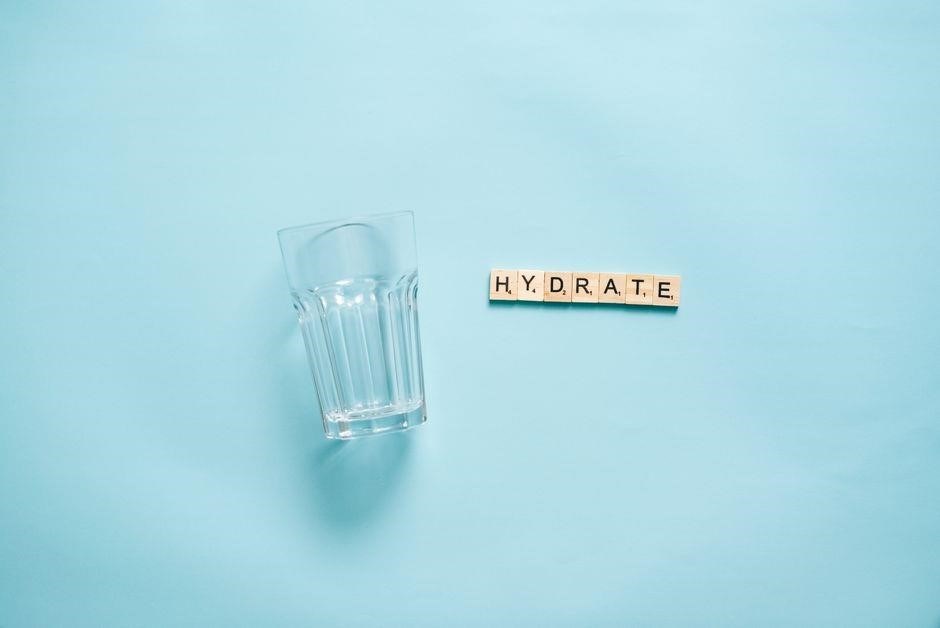
What is a 72-Hour Water Fast?
A 72‑hour water fast involves consuming only water for three days, allowing the body to enter ketosis, clear toxins, and reset metabolic pathways․ Participants start with a light meal, hydrate, and avoid food, monitoring symptoms and ensuring safety throughout․ for all ages․ new
3․1 Definition and Process
A 72‑hour water fast is a structured period of abstaining from all caloric intake, relying solely on water to sustain bodily functions․ The process begins with a preparatory phase, during which participants reduce heavy foods, caffeine, and alcohol, gradually easing into a lighter diet to minimize shock․ On day one, the individual consumes only water, monitoring hydration levels and noting any physiological changes such as dizziness or fatigue․ The second day intensifies the metabolic shift, as glycogen stores deplete and the body begins to mobilize fat reserves, producing ketone bodies that serve as an alternative energy source; Throughout the fast, regular intake of electrolytes—sodium, potassium, magnesium—may be recommended to maintain balance and prevent cramps․ Participants often track their subjective well‑being, heart rate, and sleep patterns to gauge the fast’s impact․ At the end of the 72‑hour window, a re‑introduction protocol is essential: starting with small, easily digestible foods like bone broth or fruit, gradually re‑introducing proteins and complex carbohydrates over several days․ This careful transition helps avoid gastrointestinal distress and supports metabolic reset․ The entire cycle is designed to promote cellular autophagy, improve insulin sensitivity, and encourage mental clarity, while also providing a structured framework that can be safely followed with proper guidance and monitoring․ Participants may also record their mood, energy levels, and any subtle shifts in digestion, which can inform future fasting plans daily,!!

Key Benefits of the Fast
A 72‑hour water fast offers rapid detoxification, boosts autophagy, improves insulin sensitivity, supports mental clarity, and promotes cellular rejuvenation․ It can reduce inflammation, aid weight loss, and enhance immune function, fostering overall vitality and resilience․ It also enhances focus, reduces cravings․
4․1 Physical Benefits
During a 72‑hour water fast, the body undergoes a series of physiological shifts that can lead to measurable improvements in physical health․ Initially, glycogen stores are depleted, prompting the liver to release glucose into the bloodstream to maintain energy levels․ Once glycogen is exhausted, the body transitions to ketosis, where fatty acids are converted into ketone bodies that serve as an alternative energy source for the brain and muscles․ This metabolic switch reduces oxidative stress and promotes cellular repair processes․
One of the most noticeable physical benefits is the acceleration of autophagy—a natural cellular cleanup mechanism․ Autophagy removes damaged organelles, misfolded proteins, and intracellular pathogens, thereby enhancing cellular resilience․ As a result, muscle tissue experiences less wear and tear, and connective tissues recover more efficiently․
Blood pressure tends to drop during a 72‑hour fast, and heart rate variability improves, reflecting a calmer autonomic nervous system․ The reduction in insulin spikes also stabilizes blood sugar levels, which can lower the risk of type 2 diabetes and support cardiovascular health․ These cardiovascular benefits are often reported by regular fasters․ daily!
Immune cells are mobilized during fasting, increasing the production of white blood cells and enhancing pathogen clearance․ Skin benefits include reduced inflammation, clearer complexion, and a more youthful glow as cellular turnover speeds up․ These holistic improvements make the 72‑hour fast a powerful tool for overall wellness daily!

Overview of the PDF Guide
This PDF offers step‑by‑step instructions, safety tips, and a clear timeline for a 72‑hour water fast․ It covers preparation, hydration, post‑fast nutrition, and troubleshooting․ Designed for beginners, it delivers concise, practical guidance to maximize results․ Follow for health OK!․
5․1 Structure and Content
The PDF is organized into clear, logical sections that guide readers from initial preparation to post‑fast integration․ It begins with an overview that explains the purpose of a 72‑hour water fast, followed by a detailed schedule that breaks the 72 hours into manageable phases․ Each phase includes specific hydration targets, recommended water temperatures, and cues for monitoring physical and mental states․
Next, the guide presents a comprehensive checklist for pre‑fast preparation, covering dietary tapering, essential supplements, and setting realistic goals․ A troubleshooting section addresses common challenges such as headaches, fatigue, and emotional shifts, offering practical coping strategies and when to seek medical advice․
After the fast, the document outlines a re‑introduction plan that gradually re‑enters solid foods, with suggestions for nutrient‑dense, gentle options․ It also includes a post‑fast reflection worksheet to help users assess outcomes, track energy levels, and plan future fasting cycles․
Throughout, the PDF incorporates visual aids—charts, timelines, and infographics—to enhance comprehension․ The layout is clean, with consistent typography and ample white space, making the information accessible for both beginners and experienced fasters․
Download the PDF from the official site, available on desktop and mobile․ It also offers audio narration and printable worksheets to support a structured fasting routine․ By following this guide, users can safely experience the benefits of a 72‑hour water fast․It also has a FAQ for beginners․ok

How to Use the PDF
Open the PDF, read the introductory section, then follow the step‑by‑step guide․ Mark your fasting start time, set reminders, and log water intake․ Use the provided worksheets to track symptoms, and review the post‑fast re‑introduction plan before resuming normal meals․ Print the checklist and keep it handy․!!
6․1 Step-by-Step Instructions

Before you begin, consult a healthcare professional, especially if you have pre‑existing conditions․ Gather clean, filtered water and a reusable bottle․ Set a clear start time and inform a trusted friend or family member․ Prepare a simple schedule: 0‑24 h, 24‑48 h, 48‑72 h․ During each phase, drink 2–3 L of water, spread evenly throughout the day․ Avoid caffeine, alcohol, and any solid foods․ Keep your mind occupied with light activities such as walking, reading, or gentle stretching․ Monitor your body’s signals: mild dizziness or fatigue are normal; severe symptoms warrant immediate medical attention․ At the 24‑hour mark, assess your energy level and hydration status․ If you feel stable, continue to the next 24‑hour block; Repeat the same routine for the second 24‑hour period․ On the final day, stay hydrated, but begin to plan your re‑introduction of foods․ After 72 h, remove the fast gradually: start with a small, easily digestible meal such as broth or fruit, then slowly re‑introduce proteins, fats, and complex carbohydrates over the next 48 h․ Throughout the process, keep a journal to record physical sensations, mood changes, and any challenges you encounter․ This documentation will help you adjust future fasts and share insights with your support network․ Remember, the goal is to experience the benefits safely, so listen to your body and adapt as needed․
Record cravings, mood shifts, and physical sensations․ Adjust hydration if lightheaded․ After the fast, re‑introduce foods slowly: start with fruit or broth then proteins and fats over a days․

Common Questions
- What is the purpose of a 72‑hour water fast? It helps reset metabolic pathways, promotes cellular autophagy, and can improve mental clarity․
- How do I prepare mentally and physically? Gradually reduce caffeine, stay hydrated, and plan a quiet environment․
- What should I drink? Pure water, no additives․ Aim for 2–3 L per day․
- Can I exercise during the fast? Light activity is fine; avoid intense workouts that may cause dehydration․
- What signs indicate I should stop? Severe dizziness, fainting, or extreme weakness signals a need to break the fast․
- How do I break the fast safely? Start with a small, bland meal like broth, then slowly reintroduce foods over 48 h․
- Will I lose weight? Short‑term weight loss is common, but long‑term results depend on post‑fast habits․
- Is this safe for everyone? Not for pregnant women, diabetics, or those with chronic illnesses without medical supervision;
- Can I repeat the fast? Yes, but space it out by at least a week and monitor your body’s response․
- Where can I find more detailed guidance? The PDF guide by Gary Brecka offers in‑depth instructions and safety tips․
- What about long-term maintenance after the fast? Incorporate balanced meals, regular hydration, and mindful eating habits․ Consider periodic short fasts to sustain benefits․ and keep a journal daily․?!!!