Dyson DC24 Manual: A Comprehensive Guide
Dyson DC24 service manuals, ranging from 19 to 76 pages, are available as PDFs. These resources detail inspection, technology, and offer insights into this vacuum cleaner’s functionality.
The Dyson DC24 represents a significant step in vacuum cleaner technology, offering powerful suction in a remarkably compact and lightweight design. Released as a versatile cleaning solution, it quickly gained popularity for its maneuverability and effectiveness on various floor types. Understanding its features and operation is key to maximizing its performance and longevity.
Several service manuals, available in PDF format, provide detailed information about the DC24. These manuals, varying in length from 19 to 76 pages, cover aspects like machine signs, inspection procedures, and underlying technology. They are invaluable resources for both routine maintenance and troubleshooting more complex issues. The availability of these documents underscores Dyson’s commitment to supporting its customers even after the initial purchase.
While newer models like the DC50 have emerged, the DC24 remains a capable machine, and access to comprehensive documentation ensures users can keep it running efficiently. The DC24’s design prioritizes ease of use, but a thorough understanding of its components and functions, as detailed in the service manuals, will undoubtedly enhance the cleaning experience.
Understanding the DC24 Components
The Dyson DC24, as detailed in its service manuals (available as PDFs ranging from 19 to 76 pages), comprises several key components working in harmony to deliver powerful cleaning. These include the motor, cyclone assembly, dustbin, filters, wand, and various floor head attachments. Each element plays a crucial role in the vacuum’s overall performance.

The cyclone technology is central to the DC24’s effectiveness, separating dust and debris from the airflow without clogging filters. The dustbin, easily emptied, collects the separated particles. Filters, essential for expelling clean air, require regular maintenance as outlined in the service documentation; The wand and floor heads provide versatility for cleaning different surfaces.
Service manuals emphasize the importance of understanding how these components interact. Detailed diagrams and explanations within these PDFs aid in identifying parts during maintenance or repair. Proper knowledge of each component’s function is vital for effective troubleshooting and ensuring the DC24 continues to operate at peak efficiency, extending its lifespan and cleaning capability.
Assembly and Initial Setup
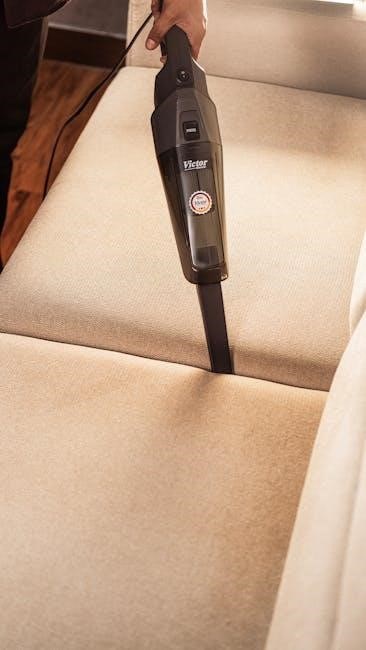
Before operating your Dyson DC24, referencing the comprehensive service manual (available in PDF format, ranging from 19 to 76 pages) is highly recommended. Initial setup involves correctly attaching the wand to the main body, ensuring a secure click to prevent detachment during use. Select the appropriate floor head based on your floor type – carpet or hard floor – and firmly connect it to the wand.
The service manuals detail the proper assembly sequence, emphasizing the importance of alignment for optimal suction. Verify all connections are stable before powering on the vacuum. Initial operation should include a visual inspection to confirm no parts are loose or misaligned. Familiarize yourself with the power button location and operation as described in the documentation.
It’s crucial to ensure the dustbin is correctly installed and sealed to maintain suction power. A quick check of the filter placement is also advised. Following these initial setup steps, guided by the service manual, will guarantee efficient performance and prevent potential issues during the DC24’s lifespan.
Using the Dyson DC24: Basic Operation
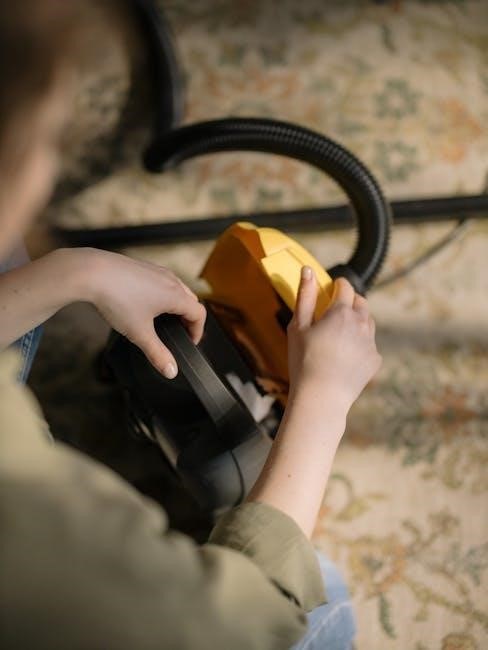
Operating the Dyson DC24 is straightforward, but consulting the service manual (available as a PDF, 19-76 pages) ensures optimal performance. Begin by powering on the vacuum using the power button, typically located on the main body. The DC24 is designed for both carpet and hard floor cleaning, utilizing different floor head attachments for each surface.
Maintain a consistent speed while vacuuming, avoiding abrupt starts and stops. The vacuum’s suction power automatically adjusts based on the floor type. For optimal cleaning, overlap each stroke slightly to ensure complete coverage. The wand’s maneuverability allows access to tight spaces and under furniture.
Regularly monitor the dustbin level; emptying it when full maintains suction efficiency. The service manual provides detailed instructions on proper operation and safety precautions. Avoid vacuuming wet surfaces or flammable materials. Proper usage, guided by the manual, extends the DC24’s lifespan and ensures effective cleaning.
Floor Head Attachments and Usage
The Dyson DC24 utilizes specialized floor head attachments to maximize cleaning effectiveness on various surfaces. The primary floor head is designed for both carpets and hard floors, automatically adjusting suction power. For delicate hard floors, a separate attachment minimizes scratching and swirl marks, offering a gentler cleaning experience.
The service manual (available in PDF format, ranging from 19 to 76 pages) details each attachment’s specific application. Proper attachment selection is crucial for optimal performance. Regularly inspect the brush bar within the floor head for obstructions like hair or string, as these can reduce suction and cleaning ability.
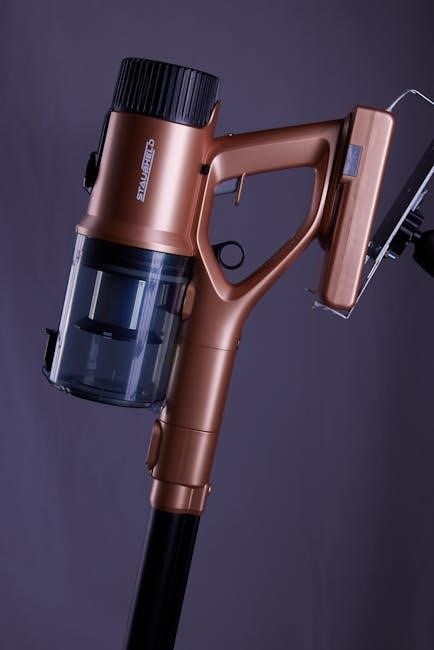
Switching attachments is a simple process, typically involving a click-and-release mechanism. Ensure the attachment is securely locked into place before operation. Utilizing the correct floor head not only improves cleaning results but also protects both your floors and the vacuum itself. Refer to the manual for detailed guidance on attachment maintenance and troubleshooting.
Crevice Tool and Combination Tool Guide
The Dyson DC24 includes a crevice tool and a combination tool, expanding its cleaning versatility. The crevice tool, a long, narrow attachment, excels at reaching tight spaces – along edges, between cushions, and in car interiors. It delivers concentrated suction for effective dust removal from hard-to-reach areas.
The combination tool offers dual functionality. It features a brush head for dusting surfaces and a wider nozzle for general cleaning. This makes it ideal for furniture, upholstery, and delicate items. The service manuals (PDFs, 19-76 pages) illustrate proper usage techniques for both tools.

To maximize effectiveness, utilize the tools with appropriate suction settings. Regularly check for blockages within the tool’s nozzle. Proper maintenance, as outlined in the manual, ensures optimal performance. These attachments significantly enhance the DC24’s cleaning capabilities beyond floor surfaces, providing a comprehensive cleaning solution.

Dustbin Emptying and Maintenance
Regularly emptying the dustbin of your Dyson DC24 is crucial for maintaining optimal suction power. The dustbin should be emptied when debris reaches the ‘max’ line, preventing overfilling and potential performance issues. Detailed instructions for emptying are found within the service manuals, available as PDFs ranging from 19 to 76 pages.
Beyond emptying, periodic maintenance of the dustbin is essential. Wipe the dustbin with a dry cloth to remove any accumulated dust or debris. Avoid using water or detergents, as these can damage the plastic. Inspect the dustbin for cracks or damage, replacing it if necessary.
Proper dustbin maintenance contributes significantly to the longevity and efficiency of your DC24. Neglecting this simple task can lead to reduced suction and increased strain on the motor. Refer to the manual for specific guidance on dustbin care and troubleshooting any related issues.
Filter Cleaning and Replacement
Maintaining a clean filter is paramount for the Dyson DC24’s performance and air quality. The filter prevents fine dust and allergens from being exhausted back into your home. Regularly check the filter – service manuals, available as PDFs (19-76 pages), detail the process – and clean it as needed.
To clean the filter, gently tap it against a hard surface to dislodge dust. Avoid washing the filter with water or detergents, as this can damage the delicate material. If the filter is heavily soiled or damaged, it requires replacement. Replacement filters are essential for maintaining optimal suction and filtration.
The frequency of filter replacement depends on usage and dust levels. Consult the DC24’s manual for specific recommendations. A clogged or damaged filter reduces suction power and can potentially harm the motor. Prioritizing filter maintenance ensures efficient cleaning and extends the lifespan of your vacuum.
Brush Bar Maintenance and Troubleshooting
The Dyson DC24’s brush bar is crucial for effective floor cleaning, particularly on carpets. Regular maintenance prevents tangles and ensures optimal performance. Service manuals, available in PDF format (ranging from 19 to 76 pages), provide detailed instructions for brush bar care.
Periodically inspect the brush bar for hair, fibers, and debris. Use scissors to carefully remove any tangled materials. Avoid using sharp objects that could damage the bristles. A clogged brush bar significantly reduces cleaning efficiency and can strain the motor.
If the brush bar isn’t spinning, check for blockages in the airway or a faulty motor. Consult the troubleshooting section of the DC24 manual; Ensure the brush bar is correctly installed and securely fastened. Addressing brush bar issues promptly maintains suction and prevents further damage. Proper care extends the life of this vital component.
Blockages and Troubleshooting
Addressing blockages is essential for maintaining the Dyson DC24’s suction power. Service manuals, available as PDFs (19-76 pages), offer comprehensive troubleshooting guidance. Loss of suction typically indicates an obstruction in the airway, dustbin, or brush bar area.
Begin by emptying the dustbin; a full bin restricts airflow. Next, inspect the hose and wand for clogs. Detach these components and use a long, flexible tool to dislodge any debris. Carefully examine the brush bar for tangled hair or fibers, as these frequently cause blockages.

If the issue persists, check the cyclone assembly for obstructions. Refer to the DC24 manual’s diagrams for proper disassembly and cleaning procedures. Always ensure the vacuum is switched off and unplugged before attempting any repairs. Systematic troubleshooting, guided by the service manual, restores optimal performance and prevents potential damage.
DC24 Service Manual Overview (PDF Details)
Several Dyson DC24 service manuals are accessible in PDF format, varying in length from concise 19-page guides to more detailed 76-page documents. These manuals are invaluable resources for both routine maintenance and complex repairs. They provide exploded diagrams illustrating component placement and disassembly procedures, crucial for effective troubleshooting.
The PDFs cover a wide range of topics, including detailed inspection procedures, technical specifications, and diagnostic flowcharts. They outline step-by-step instructions for addressing common issues like loss of suction, brush bar malfunctions, and electrical problems. Information on machine signs and inspection technology is also included.
Accessing these manuals allows users to perform self-repairs, potentially saving on professional service costs. While some versions are labeled “100 (1),” this likely refers to a file versioning system. These resources empower owners to maintain their DC24’s performance and longevity.
Identifying Common DC24 Issues
Based on service manual details and user experiences, several issues frequently affect the Dyson DC24. Loss of suction is a primary complaint, often stemming from a blocked airway, full dustbin, or clogged filters. Brush bar malfunctions, including failure to spin or unusual noises, are also common, potentially indicating debris entanglement or motor problems.
Electrical issues can manifest as the vacuum failing to power on, intermittent operation, or unusual smells. These require careful troubleshooting, referencing the service manual’s electrical diagrams. Blockages within the machine, particularly in the wand or hose, significantly reduce performance and should be addressed promptly.
Regular inspection, guided by the service manual, can help identify these problems early. Recognizing symptoms like increased motor noise or a change in airflow allows for preventative maintenance. Addressing these issues promptly extends the lifespan and maintains the cleaning efficiency of the DC24.
Electrical Troubleshooting and Safety
Electrical troubleshooting of the Dyson DC24 demands extreme caution. Always disconnect the vacuum from the power source before any inspection or repair. The service manual provides detailed electrical diagrams crucial for identifying faulty components, such as the motor, wiring, or power switch.
If the DC24 fails to power on, check the power cord for damage and ensure the outlet is functioning correctly. Intermittent operation may indicate a loose connection or a failing switch. Unusual smells, like burning plastic, signal a potential short circuit and require immediate attention – do not continue using the vacuum.
Safety is paramount. Never attempt to disassemble the motor or tamper with internal wiring without proper training. Refer to the service manual for specific voltage and amperage ratings. If you are uncomfortable performing electrical repairs, consult a qualified technician. Ignoring safety precautions can lead to electric shock or fire.
Dyson DC24 vs. DC50: A Comparison
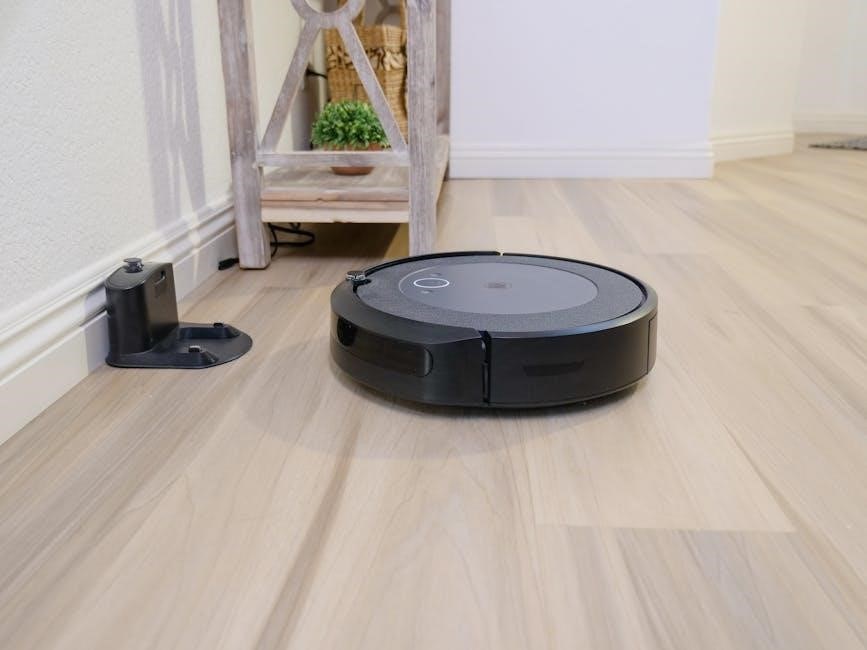
Comparing the Dyson DC24 and DC50 reveals key differences. The DC50 is described as a more powerful and compact option for whole-home cleaning, featuring two versatile work heads suitable for both hard floors and carpets. While both models share Dyson’s core cyclone technology, the DC50 generally offers improved suction performance.
The DC24, though effective, is often considered a slightly older design. It’s known for its maneuverability and suitability for smaller spaces. The DC50 boasts advancements in airflow dynamics, resulting in enhanced dirt pickup. Both vacuums benefit from readily available service manuals, aiding in maintenance and repair.
Choosing between the two depends on your cleaning needs. For larger homes and deeper cleaning, the DC50 is preferable. If you prioritize compactness and ease of use in a smaller area, the DC24 remains a viable option. Consider the availability of replacement parts and the cost when making your decision.
Finding Replacement Parts
Securing replacement parts for the Dyson DC24 is crucial for maintaining its performance and extending its lifespan. Numerous online retailers specialize in Dyson vacuum components, offering a wide array of parts, including brush bars, filters, dustbins, and hoses.

Official Dyson channels are a reliable source, guaranteeing genuine parts and compatibility. However, third-party suppliers often provide more affordable alternatives. When purchasing from non-official sources, carefully verify the part number and read customer reviews to ensure quality and fit.
Detailed service manuals, available in PDF format, can assist in identifying the correct part numbers for specific components. Common replacements include the motorhead assembly, cyclone unit, and various seals. Regularly inspecting these parts and replacing them when worn will optimize your DC24’s suction power and overall efficiency. Prioritize genuine or high-quality compatible parts to avoid damaging your vacuum.
DC24 Technical Specifications
The Dyson DC24 is engineered as a compact and powerful vacuum cleaner designed for efficient home cleaning. While detailed specifications aren’t explicitly provided in the readily available documentation, understanding its core features is vital.
The DC24 utilizes Dyson’s patented cyclone technology, generating strong suction to capture dust and debris. It features two working attachments suitable for diverse surfaces, from hard floors to carpets. The machine’s lightweight design enhances maneuverability, making it easy to navigate around furniture.
Although precise wattage isn’t prominently displayed, the DC24 focuses on airflow and efficient motor performance. Service manuals, available as PDFs, offer insights into the internal components and their functions. Compared to later models like the DC50, the DC24 prioritizes compactness and core cleaning capabilities. It’s a robust machine designed for reliable performance, though specific power consumption details require deeper technical documentation.
Warranty Information and Support
Information regarding the original Dyson DC24 warranty is not directly accessible within the provided document snippets. However, Dyson typically offers a limited warranty on its vacuum cleaners, covering defects in materials and workmanship for a specific period from the date of purchase.
For current warranty details and support options, owners are advised to visit the official Dyson website. There, they can register their product, find answers to frequently asked questions, and access troubleshooting guides. Dyson’s online support portal provides a wealth of resources, including downloadable manuals and how-to videos.
Additionally, Dyson offers customer service via phone and online chat. Service manuals, available as PDFs, are useful for technicians but may not replace official Dyson support. Owners experiencing issues should consult Dyson directly to ensure repairs are performed by authorized personnel and to maintain warranty validity; Retaining proof of purchase is crucial for warranty claims.